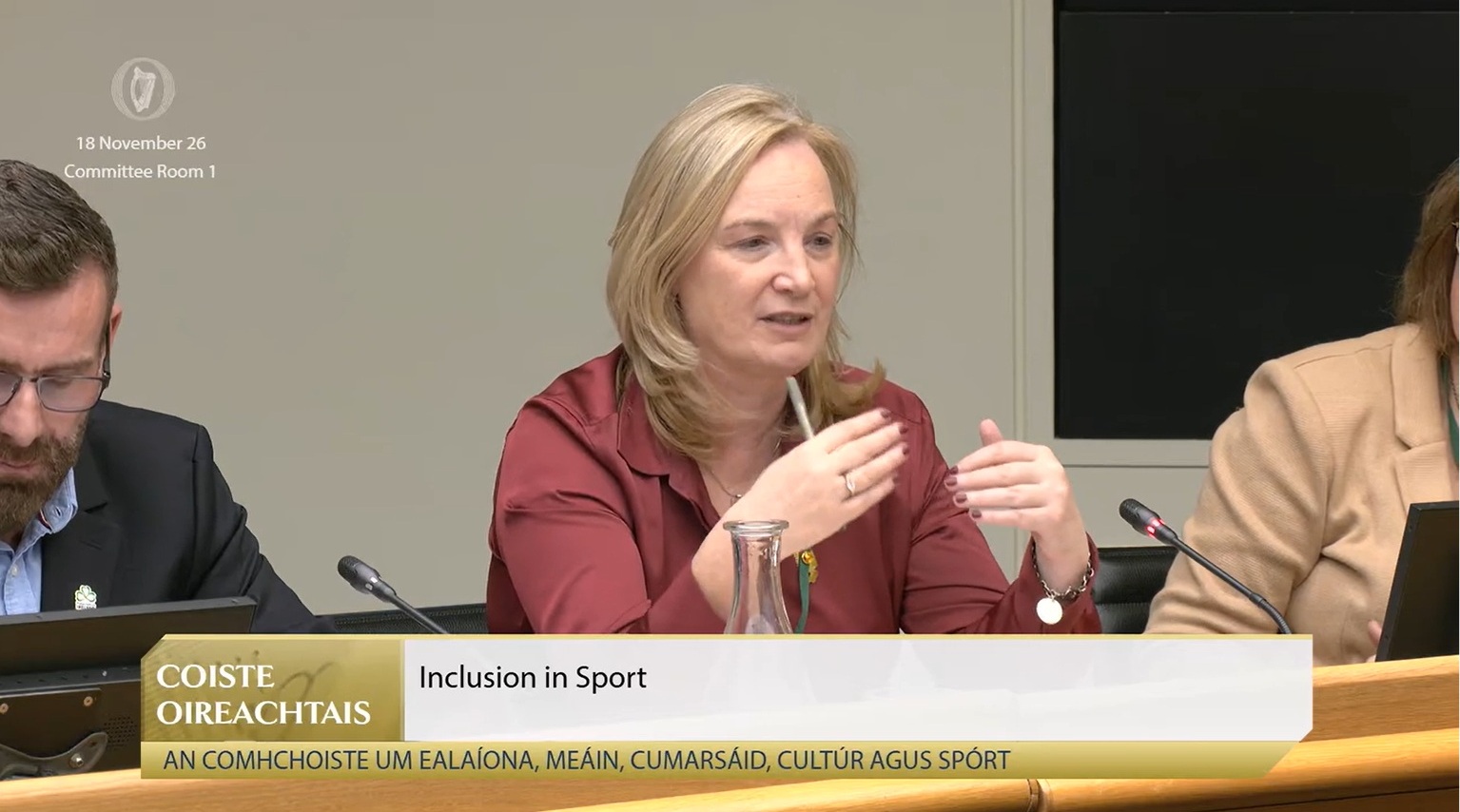
Paralympics Ireland has called for a coordinated national approach to improving access to sport for people with disabilities, presenting research and recommendations to the Joint Oireachtas Committee on Arts, Media, Communications, Culture and Sport.
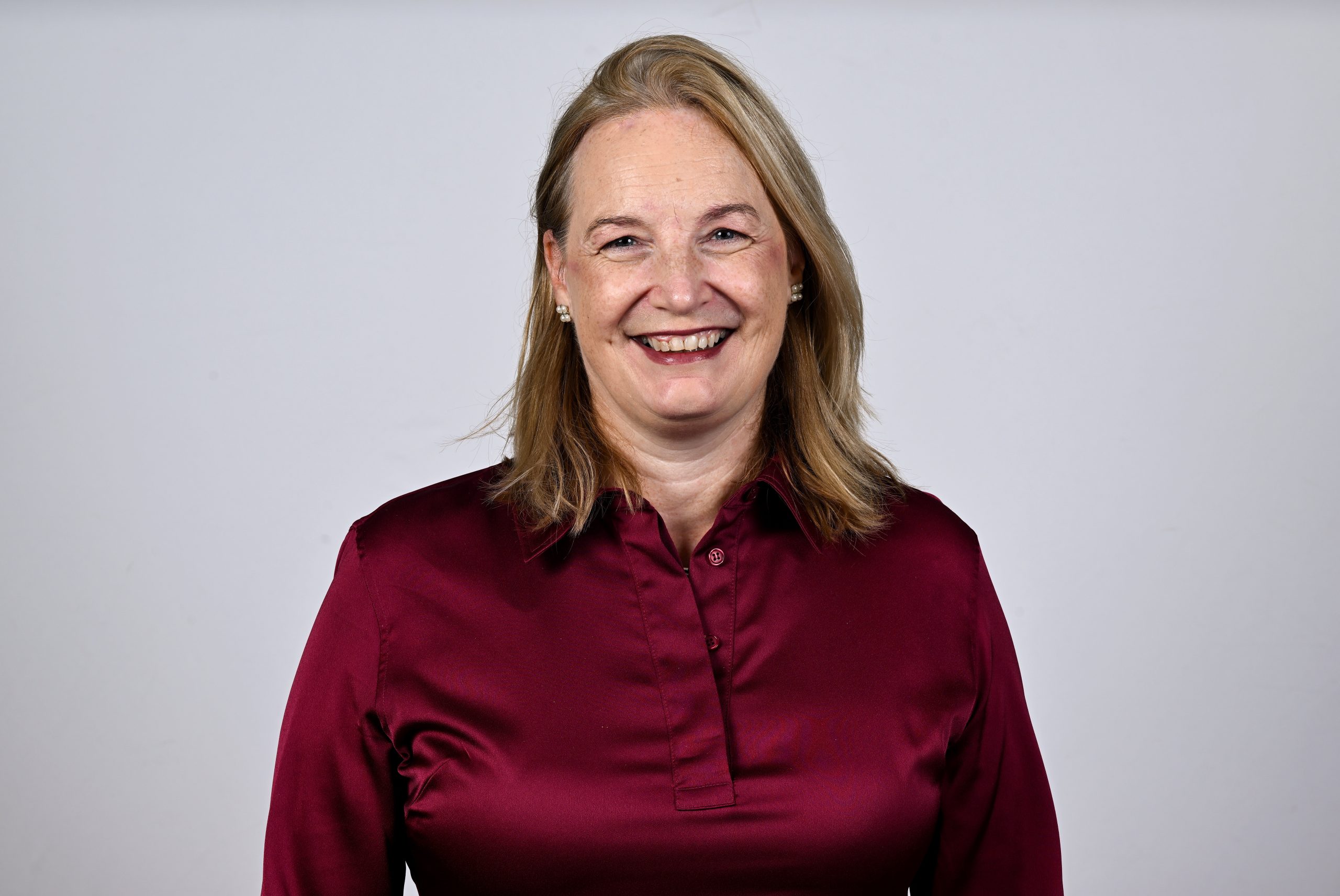
Paralympics Ireland President and Chair Lisa Clancy addressed the committee on Wednesday, 18 November, alongside Chief Executive Officer Stephen McNamara and Chief Operating Officer Neasa Russell, highlighting the barriers that continue to prevent people with disabilities from accessing sporting opportunities.
Representatives from across the Para sport community were also in attendance, including Vision Sport Ireland, the Irish Wheelchair Association, Irish Wheelchair Association Sport and Active Disability Ireland.
The engagement provided an opportunity to highlight the need for greater collaboration between Government, sporting organisations, schools and disability services to ensure that people with disabilities can access sport earlier and participate throughout their lives.
Addressing the committee, Clancy said: “Inclusion in sport is not simply an aspiration or an additional consideration. It is a fundamental principle that must underpin how sport in Ireland is designed, funded, governed and delivered.”
“Not everyone will be a Paralympian, but everybody should have the ability to play sport.”
Research Highlights Barriers to Participation
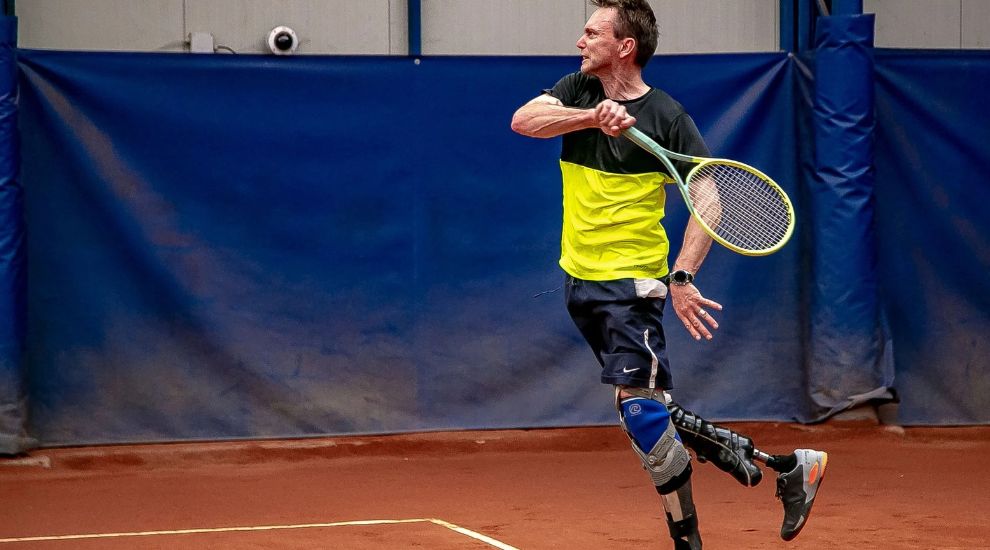
Paralympics Ireland’s submission drew on research conducted with Irish Para athletes and coaches, identifying significant gaps in access to sporting opportunities.
The findings revealed that athletes with congenital disabilities began participating in Para sport at an average age of almost 16. For girls, that figure rose to 21 years, compared with 12.6 years for boys.
Schools were also identified as a significant missed opportunity. Just 19.5% of Para athletes reported being introduced to Para sport through a teacher or school, while only 2.2% of girls surveyed reported playing Para sport in a school setting.
The research also highlighted the impact of inaccessible facilities, transport difficulties, expensive specialist equipment and limited access to appropriately trained coaches.
These barriers can be particularly challenging for people living in rural communities or those requiring additional personal assistance and specialist sporting equipment.
Paralympics Ireland Outlines Recommendations for Change
In its submission, Paralympics Ireland set out ten recommendations aimed at creating a more accessible and sustainable Para sport system.
Central to these proposals is the development of a National Para Sport Access and Participation Plan, supported by greater investment in school based opportunities and a national referral network connecting healthcare providers, rehabilitation services, schools and sporting organisations.
Paralympics Ireland also called for dedicated financial supports to address disability specific participation costs, increased investment in community-based Para sport, improved coach education and ringfenced funding for Paralympic and disability sport programmes.
The submission included a contribution from the Paralympics Ireland’s Athlete Commission, which highlighted the additional financial pressures facing high-performance Para athletes.
Proposed measures included VAT relief on specialist sporting equipment, dedicated equipment and transport grants, and financial support to offset the additional costs of competition.
Clancy stressed that delivering meaningful change would require a sustained commitment across the sporting system: “Change does not happen simply because we agree that something is important. It happens when we make it a priority, commit resources, change behaviours and hold ourselves accountable for delivering it.”
Building a More Inclusive Ireland
The committee appearance follows the launch of Paralympics Ireland’s new strategy, Live Limitless, in September 2026, which sets out the organisation’s vision to build a more inclusive Ireland through sport.
The strategy places equal emphasis on supporting world-class sporting performances, transforming access to Para sport and using the influence of the Paralympic Movement to drive wider societal change.
Paralympics Ireland also requested the committee’s support in facilitating further engagement with the Joint Committee on Education and Youth, the Committee on Disability Matters and other relevant stakeholders.
Concluding her opening remarks, Clancy emphasised that responsibility for inclusion must be shared across the entire sporting system: “Inclusion must become part of the DNA of Irish sport, not an initiative sitting alongside everything else.”
Paralympics Ireland will continue working with its athletes, member organisations and partners to advocate for the changes needed to ensure that everyone has the opportunity to participate in sport.
Watch the full Oireachtas Committee hearing here.